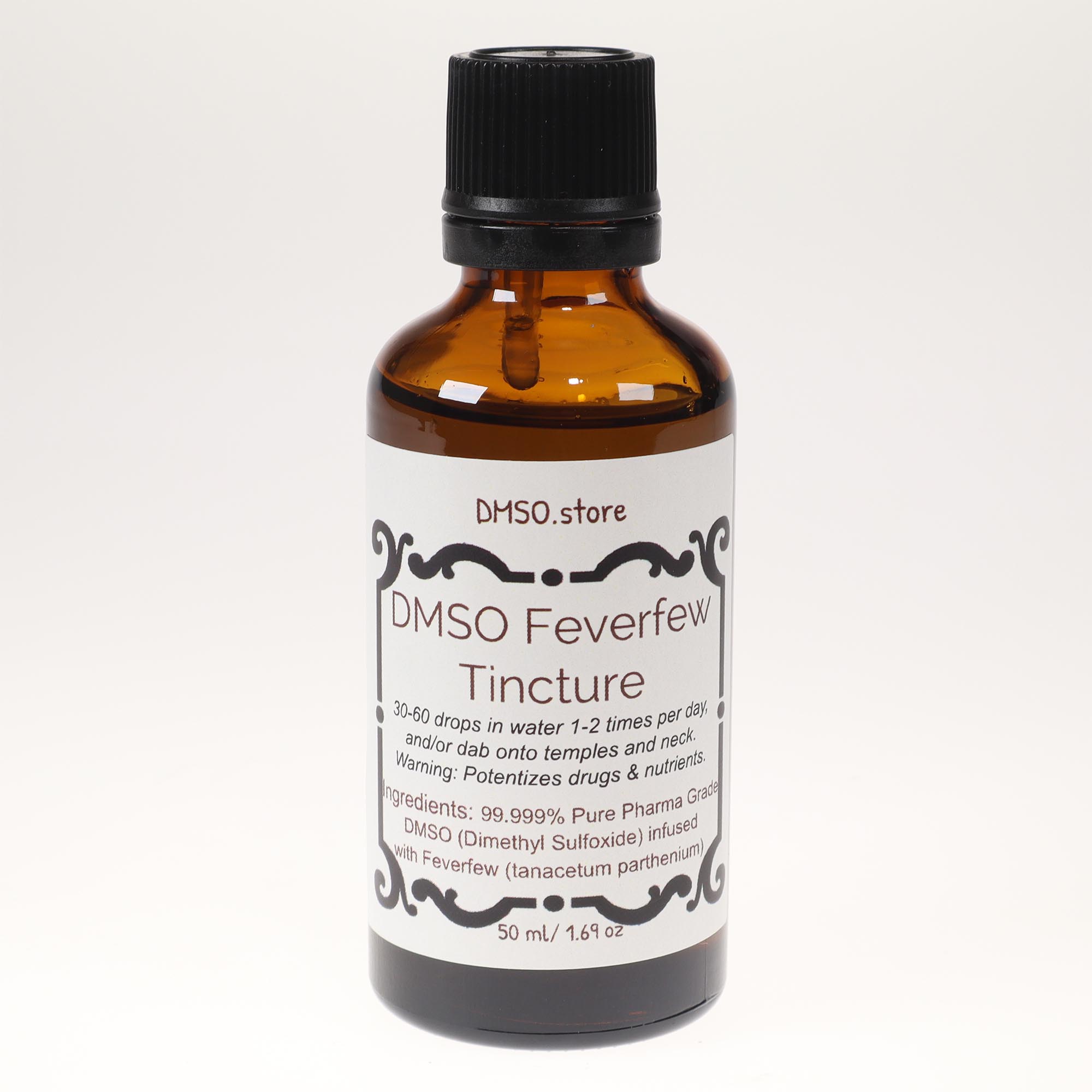
What Research Has Found About Feverfew and Migraine
Feverfew has been studied for migraine prevention, although the evidence varies among preparations and studies. An early double-blind, placebo-controlled trial published in the British Medical Journal followed 17 people who had already been using feverfew regularly. Participants who were switched to placebo experienced an increase in migraine symptoms, while those who continued taking freeze-dried feverfew remained relatively stable. Because the participants were established feverfew users and the study was small, the findings are best viewed as early supportive evidence rather than proof that all feverfew preparations prevent migraine (https://pubmed.ncbi.nlm.nih.gov/3929876/).
One randomized, double-blind, placebo-controlled study evaluated a standardized oral CO₂ feverfew extract (MIG-99) in 170 participants for 16 weeks (https://pubmed.ncbi.nlm.nih.gov/16232154/). Migraine frequency declined by an average of 1.9 attacks per month in the feverfew group compared with 1.3 attacks in the placebo group. (Note that his study tested a standardized oral extract, not Feverfew DMSO Tincture, and not topical feverfew.)
Researchers have also investigated parthenolide, a prominent sesquiterpene lactone found in feverfew, as one possible explanation for the plant’s relationship with migraine research. In laboratory and animal experiments, parthenolide acted as a partial agonist at the TRPA1 (Transient Receptor Potential Ankyrin 1) channel and subsequently desensitized TRPA1-expressing trigeminal nerve endings. This was associated with reduced release of calcitonin gene-related peptide (CGRP) and reduced CGRP-mediated meningeal vasodilation in experimental models. The researchers proposed that this mechanism may contribute to feverfew’s observed effects in migraine research, but this was preclinical mechanism research rather than a clinical trial of Feverfew DMSO Tincture (https://pubmed.ncbi.nlm.nih.gov/23933184/)
Parthenolide has also demonstrated anti-inflammatory activity in laboratory research. For example, research has shown that it can bind to and inhibit IκB kinase beta (IKKβ), an important component of the NF-κB inflammatory signalling pathway (https://pubmed.ncbi.nlm.nih.gov/11514225/).
Feverfew also has a long history of traditional use. Historical and herbal sources describe its use for purposes including fever, headaches and menstrual complaints, among other applications (https://www.nccih.nih.gov/health/feverfew). A systematic review of the traditional and pharmacological literature likewise describes historical uses for fever, migraine, rheumatoid complaints and menstrual problems, while noting that evidence differs considerably among these applications (https://pmc.ncbi.nlm.nih.gov/articles/PMC3210009/). Some reviews have also noted that monoterpene constituents of feverfew, including alpha-pinene derivatives, may have sedative or mild tranquilizing activity; however, this is not well established through human clinical trials.
An interesting 2017 study investigated a combination of feverfew, magnesium and coenzyme Q10 in adults with migraine. Participants took a daily supplement providing 100 mg feverfew, 112.5 mg magnesium and 100 mg coenzyme Q10 for three months. The average number of days with migraine declined from 4.9 days per month at baseline to 1.3 days during the third month, and researchers also observed improvements in quality-of-life scores and reductions in anxiety and depressive symptom scores (https://pubmed.ncbi.nlm.nih.gov/28854909/).
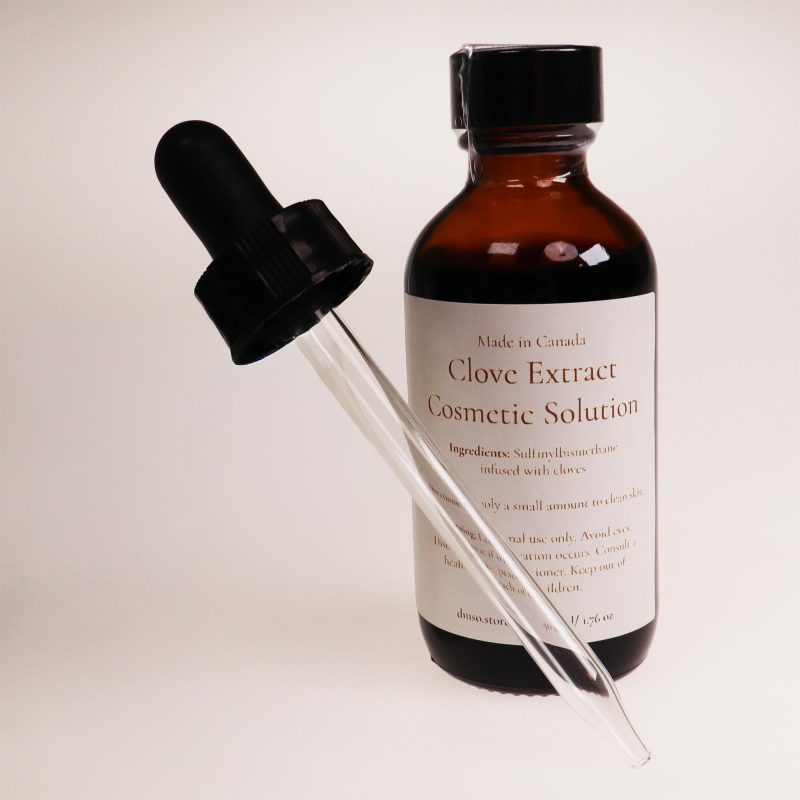
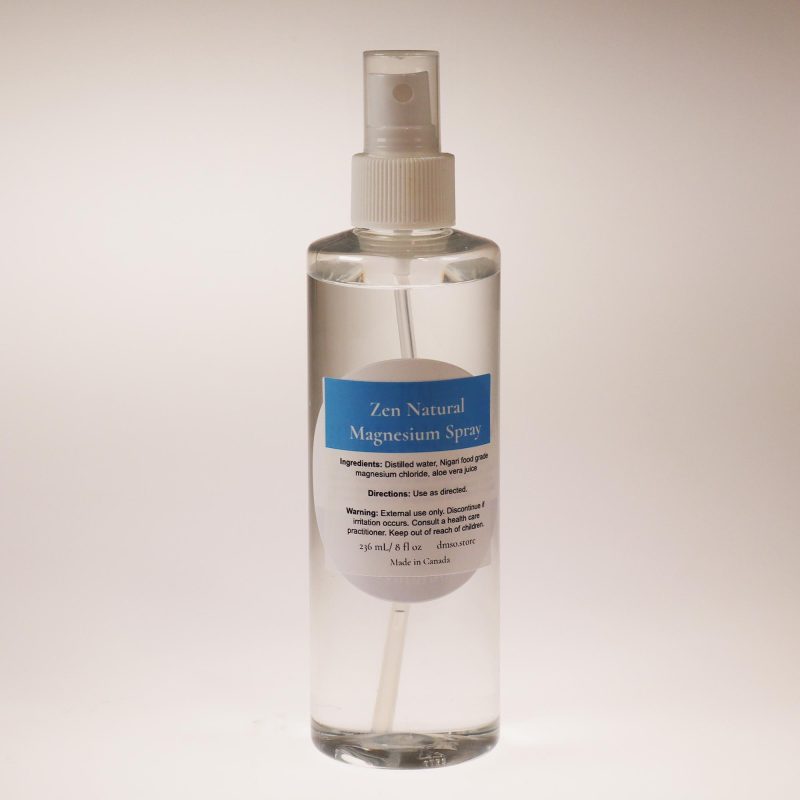
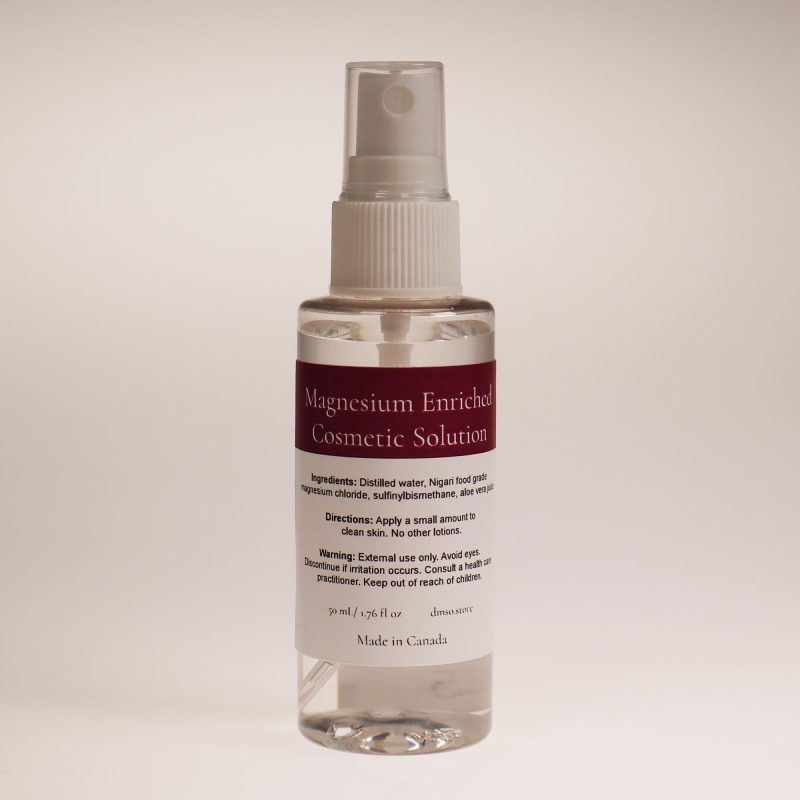
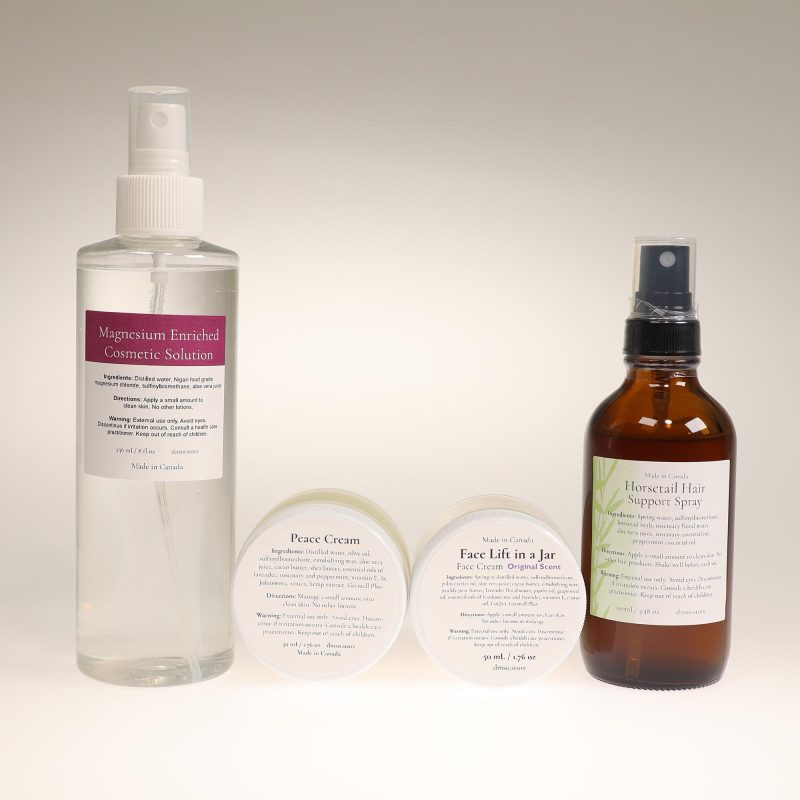
If you do suffer from regular migraines, the above study adds to the growing interest in magnesium as part of a migraine-support strategy. Take a look at our topical magnesium products: Magnesium-enriched Cosmetic Solution, or Zen Natural Magnesium Spray.
Know Your Headaches: Migraine vs Non-Migraine
Studies of feverfew have primarily focused on migraine, particularly migraine prevention, rather than on headaches in general. Migraine and other primary headache disorders differ in their characteristic symptoms, duration and patterns. These distinctions are provided for general education and do not represent indications or claims for this product.
Pain Type & Location
- Migraine: Typically moderate to severe and often pulsating or throbbing. Pain is commonly one-sided, although it does not have to be. Migraine without aura typically lasts 4–72 hours when untreated or unsuccessfully treated (https://ichd-3.org/1-migraine/1-1-migraine-without-aura/).
- Tension-Type Headache: Typically mild to moderate, pressing or tightening rather than pulsating, and commonly affects both sides of the head (https://ichd-3.org/2-tension-type-headache/2-2-frequent-episodic-tension-type-headache/).
- Cluster Headache: Characterized by severe or very severe pain on one side, usually around or above the eye or temple (https://ichd-3.org/3-trigeminal-autonomic-cephalalgias/3-1-cluster-headache/).
Associated Symptoms
- Migraine: May include nausea or vomiting and sensitivity to light and sound. Some people experience aura, which can involve reversible visual, sensory, speech/language or other neurological symptoms (https://ichd-3.org/1-migraine/1-2-migraine-with-aura/).
- Tension-Type Headache: Usually occurs without nausea or vomiting. Light or sound sensitivity may occur, but typically not both together (https://ichd-3.org/2-tension-type-headache/2-2-frequent-episodic-tension-type-headache/).
- Cluster Headache: May be accompanied on the affected side by symptoms such as eye redness or tearing, nasal congestion or runny nose, eyelid swelling, facial sweating or drooping of the eyelid (https://ichd-3.org/3-trigeminal-autonomic-cephalalgias/3-1-cluster-headache/).
Duration & Pattern
- Migraine: An untreated or unsuccessfully treated migraine attack typically lasts 4–72 hours (https://ichd-3.org/1-migraine/1-1-migraine-without-aura/).
- Episodic Tension-Type Headache: Individual episodes can last from about 30 minutes to 7 days (https://ichd-3.org/2-tension-type-headache/2-2-frequent-episodic-tension-type-headache/).
- Cluster Headache: Individual attacks typically last 15–180 minutes and may occur from once every other day to as often as eight times a day during an active cluster period. Cluster periods can continue for weeks or months (https://ichd-3.org/3-trigeminal-autonomic-cephalalgias/3-1-cluster-headache/).
Migraine Is More Than Head Pain
Migraine is a neurological disorder whose attacks can involve symptoms beyond headache, including nausea, light and sound sensitivity, visual or sensory disturbances and, in some people, nasal congestion or watery eyes. Because nasal and sinus-like symptoms can occur during migraine, headache type cannot reliably be determined from congestion alone (https://americanmigrainefoundation.org/resource-library/autonomic-symptoms-of-migraine/).
Suggested topical use: Rub as needed into temples and neck for pain.
Continue learning
For broader educational context around DMSO and botanical preparations, explore DMSO protocols and experiences at Yummy.Doctor. To browse a broader natural-living apothecary with supplements, herbal products and tinctures, visit Supplements & Food at YumNaturals.